Understanding the psychology behind gambling behavior in casinos
The Allure of Gambling: What Draws Players In
The psychology behind gambling is a complex interplay of emotions, motivations, and environmental factors. At the core, the thrill of winning evokes excitement, often described as a rush. This rush activates the brain’s reward system, releasing dopamine and creating feelings of pleasure and satisfaction. This biological response can lead players to pursue gambling experiences repeatedly, often disregarding the odds or the risks involved. Interestingly, platforms like vipluck.top highlight how these dynamics play out in modern online gaming, making it crucial to understand why individuals are drawn to casinos.
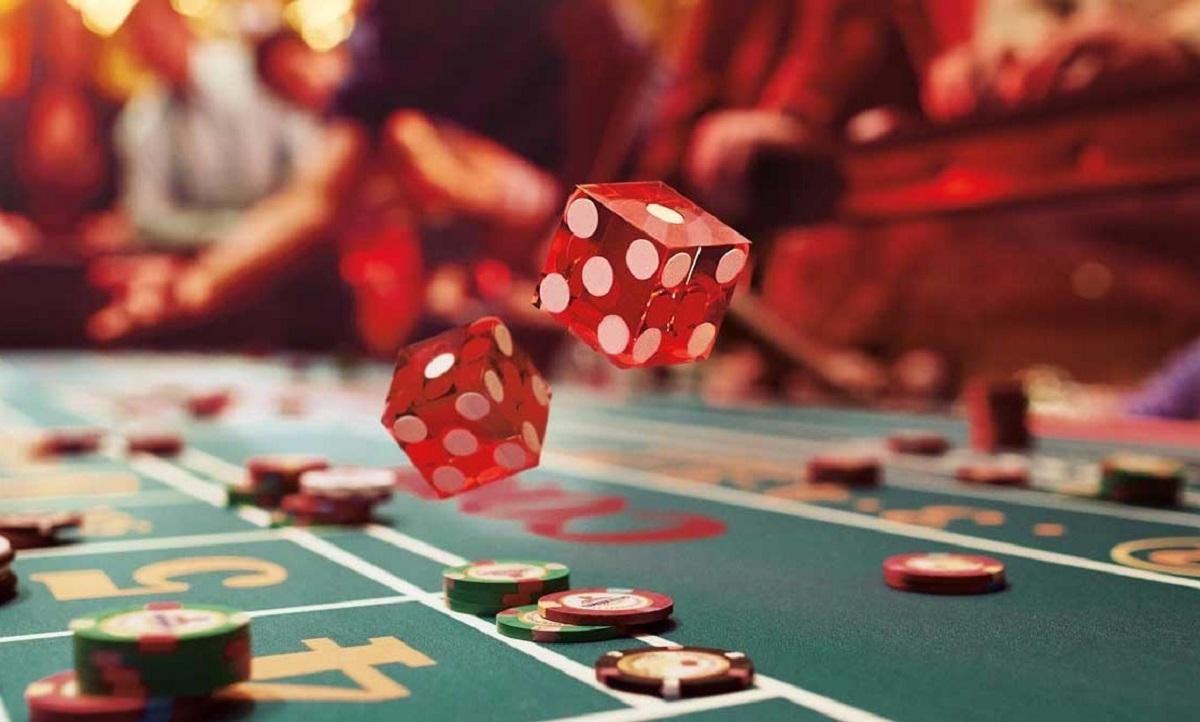
Moreover, the ambiance of a casino contributes significantly to this allure. The sights and sounds of slot machines, the chatter of players, and the glitz of bright lights create an intoxicating atmosphere that can be hard to resist. Many gamblers report feeling a sense of euphoria upon entering a casino, as if they are transported into a world where fortunes can change instantly. This sensory overload enhances the overall experience, making gambling not just a chance to win money but also a form of escapism.
In addition to the immediate thrill, social dynamics play a vital role in attracting individuals to gamble. Many players enjoy the camaraderie that comes from sharing experiences with friends or meeting new people at the tables. This social aspect not only amplifies the excitement but also reinforces behaviors through shared victories or losses. The combination of personal ambition, the thrilling environment, and social interactions makes casinos a potent attraction for many people.
The Role of Cognitive Biases in Gambling
Cognitive biases significantly influence gambling behavior, often leading players to make irrational decisions. One common bias is the “gambler’s fallacy,” where individuals believe that past outcomes will influence future results. For example, if a roulette wheel has landed on red several times in a row, a player might erroneously think that black is “due” to come up next. Such misconceptions can lead to misguided betting strategies, ultimately increasing the amount of money lost.
Another bias is the “illusion of control,” where players believe they have some control over the outcomes in games of chance. This is particularly evident in skill-based games like poker or blackjack, where players might attribute their wins to skill rather than chance. Such beliefs can create a false sense of security, leading to increased bets and greater losses. Recognizing these biases is essential for understanding the psychological traps that gamblers often fall into.
Moreover, the concept of “near misses” can reinforce gambling behavior. In many games, players experience outcomes that are just shy of winning, like two matching symbols on a slot machine. These near wins can trigger excitement and motivate players to continue betting in hopes of achieving the actual win. This can create a cycle of repeated play and investment, making it challenging for individuals to recognize the amount of money they are losing versus winning.
The Impact of Emotional States on Gambling Behavior
Emotions play a pivotal role in gambling behavior. Many individuals turn to gambling as a form of stress relief or escapism, seeking to alleviate negative feelings through the potential of winning. When people are anxious, depressed, or bored, they may be more inclined to gamble in hopes of changing their emotional state. Unfortunately, this often leads to a vicious cycle, where initial losses compound emotional distress, prompting more gambling as a means of coping.
Conversely, positive emotions can also drive gambling behavior. Celebratory moments or feelings of elation can prompt individuals to gamble in a bid to amplify their joy. This can lead to overindulgence, as the thrill of winning can overshadow the risks involved. Emotional volatility, whether stemming from high or low points, can significantly influence a person’s decision to gamble and their overall betting patterns.
Furthermore, understanding the emotional triggers that lead individuals to gamble can provide insights into gambling addiction. Those who use gambling as a coping mechanism may find it increasingly difficult to break free from the cycle, especially when they associate gambling with emotional highs and lows. Addressing these emotional undercurrents is essential for developing healthier relationships with gambling.
The Influence of Marketing and Casino Design on Behavior
The design of casinos and their marketing strategies play a significant role in influencing gambling behavior. Casinos are strategically designed to maximize time spent within their walls, often lacking natural light and featuring a maze-like layout. These design elements create an environment where individuals can lose track of time, making it easier to gamble for extended periods. The constant availability of games and amenities keeps players engaged, blurring the lines between play and reality.
Marketing strategies also capitalize on psychological principles to entice players. Promotions such as free spins, bonuses, and loyalty programs create a sense of value and reward, encouraging individuals to return for more. This marketing often plays on emotional appeals, portraying gambling as an exciting and glamorous lifestyle. Such representations can skew perceptions of gambling, making it seem more attainable and less risky than it is in reality.
Additionally, the presence of promotional games and tournaments adds another layer of engagement. These events often foster a sense of community and competition among players, making them more likely to continue playing. The interplay between casino design and marketing strategies highlights the deliberate efforts to create environments that enhance gambling behaviors, making awareness and understanding essential for responsible gambling.

Exploring Responsible Gaming and Community Support
Understanding the psychology behind gambling behavior is crucial for fostering responsible gaming. As individuals become more aware of the psychological factors influencing their gambling habits, they can make informed decisions. Casinos and gaming platforms are increasingly recognizing their role in promoting responsible gambling, implementing measures to support players in making safer choices. These initiatives may include providing information about addiction, self-exclusion options, and tools for setting limits on gambling activities.
Community support plays a vital role in addressing gambling-related issues. Various organizations and support groups offer resources for individuals struggling with gambling addiction, providing a safe space for sharing experiences and seeking help. Many of these communities focus on educating individuals about the psychological aspects of gambling, empowering them to recognize and change harmful patterns. This collective approach enhances awareness and builds a supportive network for those affected by gambling.
Ultimately, promoting understanding and dialogue around gambling behavior is essential in creating a culture of responsible gambling. By prioritizing education, community support, and awareness initiatives, individuals and organizations can work together to minimize the negative impacts associated with gambling while still enjoying the entertainment it offers. Responsible gaming is not just a personal responsibility; it is a community effort aimed at fostering healthy behaviors.